
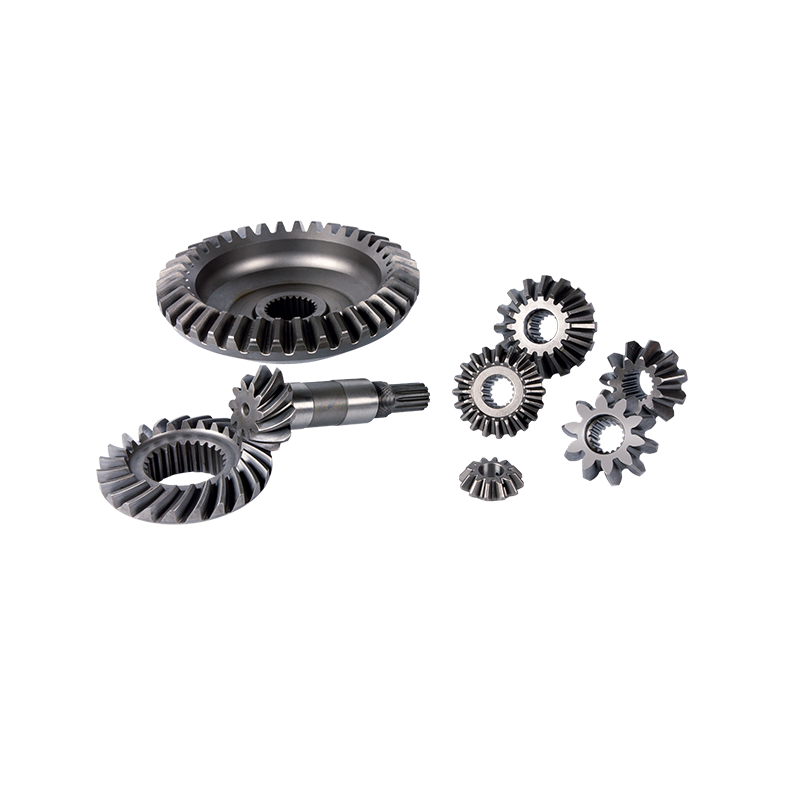
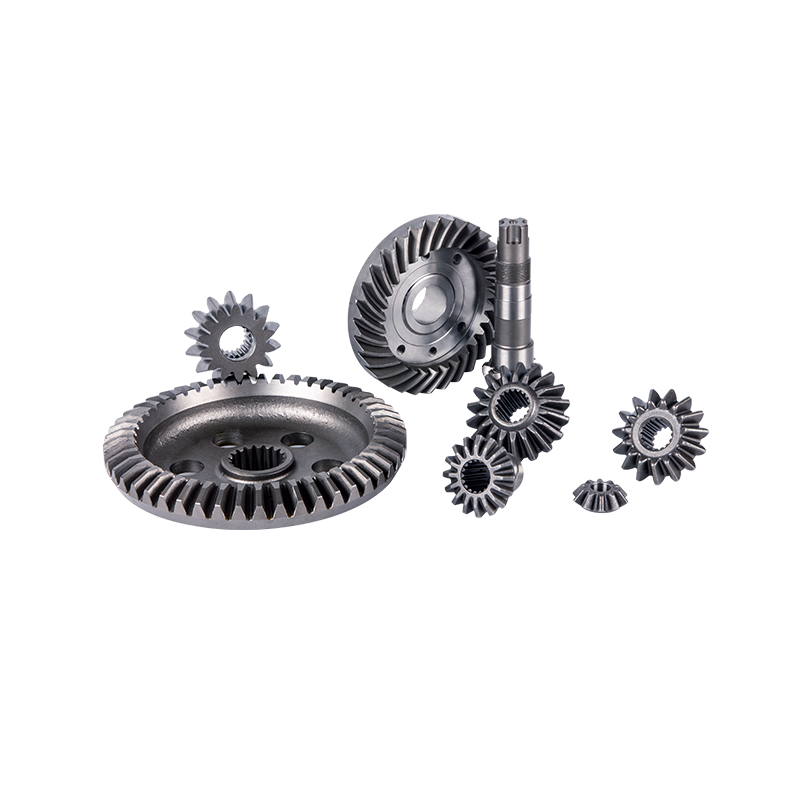
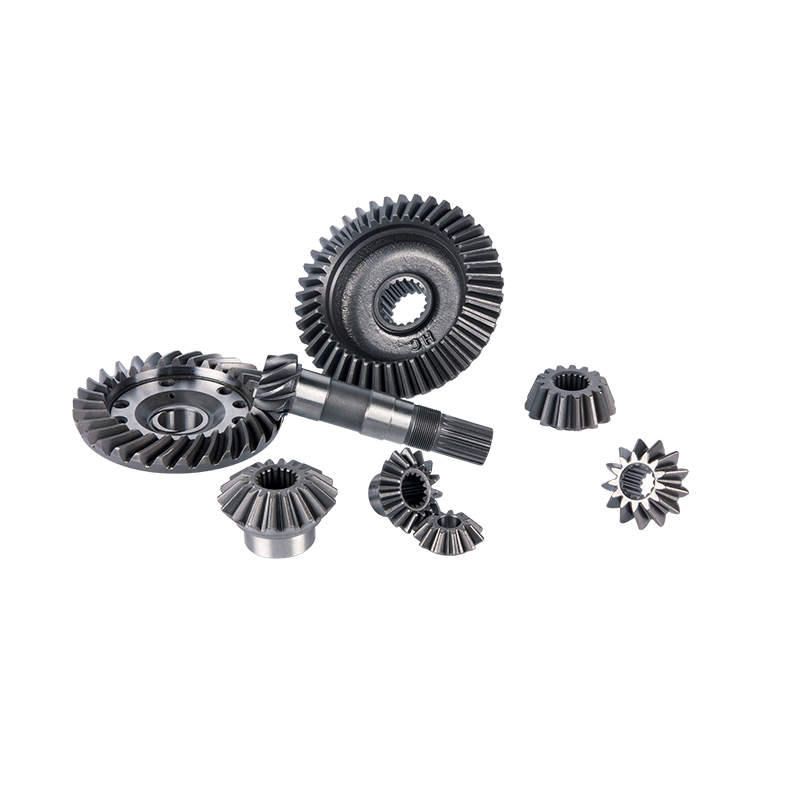
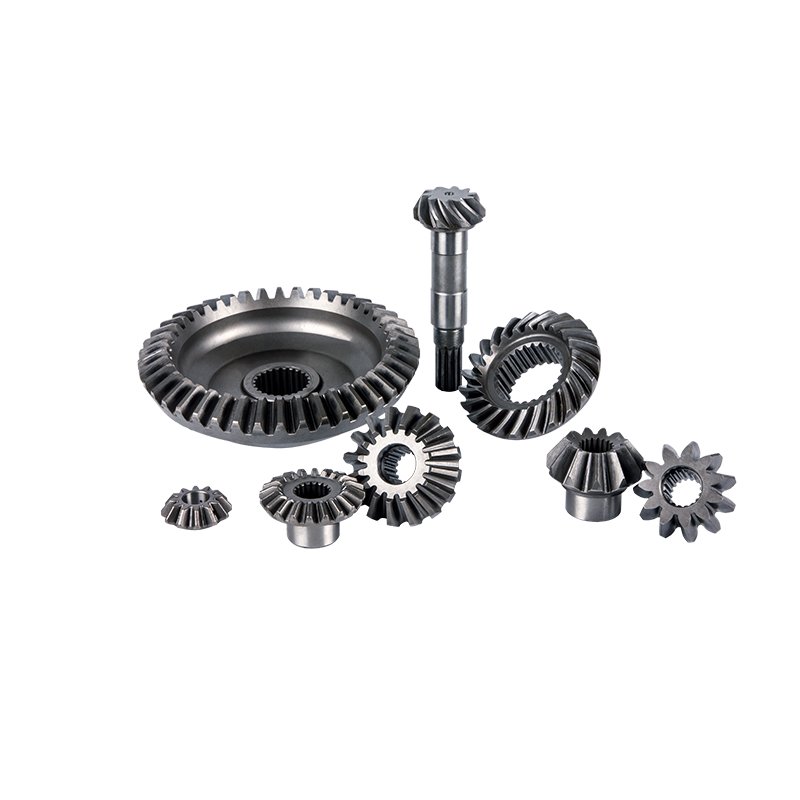
Damage to dies during cold extrusion of gear shafts may result from multiple factors, including mismatched die strength and deformation resistance, improper die design structure, inappropriate process parameter settings, issues with die material and heat treatment, inadequate lubrication, and improper operation and maintenance. The following provides a detailed analysis:
1.Mismatched die strength and deformation resistance:
Higher mold strength increases unit deformation pressure and allows for greater permissible deformation. However, greater strength in the gear shaft being extruded also generates higher deformation resistance during extrusion. This reduces the permissible deformation value, potentially exceeding the mold's capacity and causing damage.
2.Unreasonable mold design structure:
The structural form of the mold's working section significantly affects unit extrusion pressure, thereby influencing the permissible deformation value. For instance, an excessively slender punch, significant cross-sectional variations, small radii at transition points, or rough transitions may cause stress concentration, reducing the mold's load-bearing capacity and leading to damage.
Inappropriate mold fit precision, such as an outer-to-inner diameter ratio of the die that falls outside the acceptable range, may also result in uneven force distribution during extrusion, causing damage.
3.Improper process parameter settings:
Different cold extrusion deformation methods require varying unit pressures and permissible deformation levels. Improper process parameter settings—such as excessively high extrusion speed, overly high or low extrusion temperature—can subject the die to excessive forces or induce thermal stresses, ultimately causing damage.
4.Die Material and Heat Treatment Issues:
The chemical composition, purity, and microstructural uniformity of die materials significantly impact mechanical properties and wear resistance. Poor material quality—such as chemical composition segregation or uneven carbide distribution—can cause cracks or fractures during extrusion.
Substandard heat treatment processes—including improper quenching temperatures, inadequate cooling rates, or insufficient holding times—may induce residual stresses or microstructural defects, reducing the die's load-bearing capacity and service life.
5.Poor Lubrication Treatment:
The lubrication treatment on the blank surface directly affects the magnitude of unit extrusion force. Inadequate lubrication—such as improper lubricant selection, insufficient lubricant layer thickness, or uneven lubrication—can increase friction between the die and blank. This generates excessive heat and stress, potentially causing die damage.
6.Improper Operation and Maintenance:
During extrusion, improper handling—such as incorrect die installation, excessively high or low extrusion speeds, or excessive extrusion volumes—can subject dies to excessive forces or impact loads, causing damage.
Neglecting die maintenance, including failure to promptly remove surface contaminants or conduct regular wear inspections, may also result in die damage during extrusion.