
Gear shafts are mechanical components where gears and shafts are integrally formed. They are widely used in machine tools, reducers, automotive transmission systems, and other equipment. Their classification can be based on dimensions such as gear type, load-bearing configuration, and manufacturing process, as detailed below:
1. Classification by Gear Type
Cylindrical Gear Shaft
The gear portion is cylindrical with teeth arranged in a straight line (straight teeth) or helically (helical teeth). It features a simple structure, easy machining, and smooth transmission. Suitable for parallel shaft transmission, commonly found in standard reducers and machine tool spindle housings.
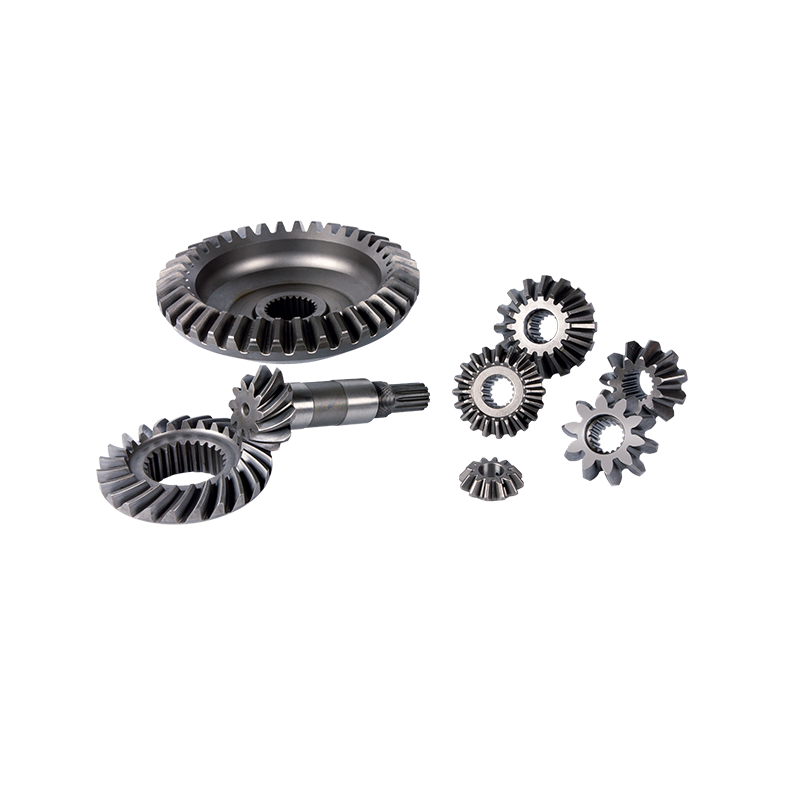
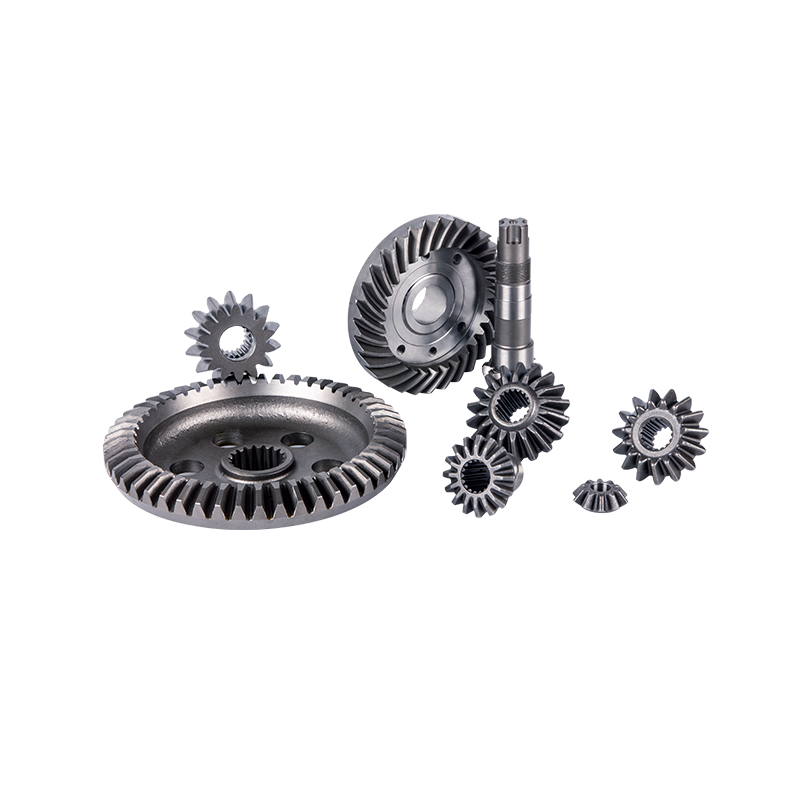
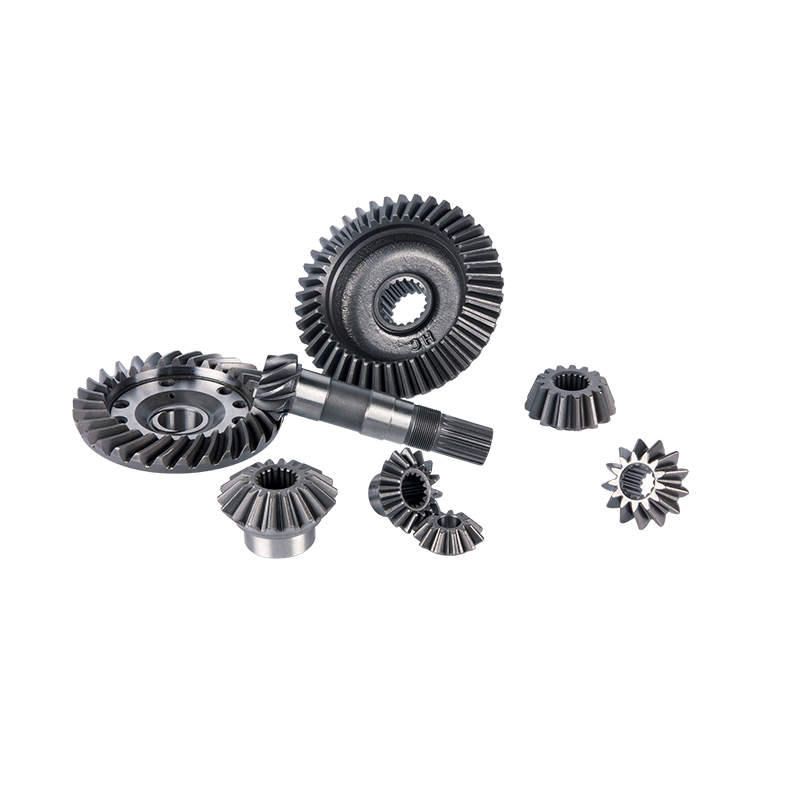
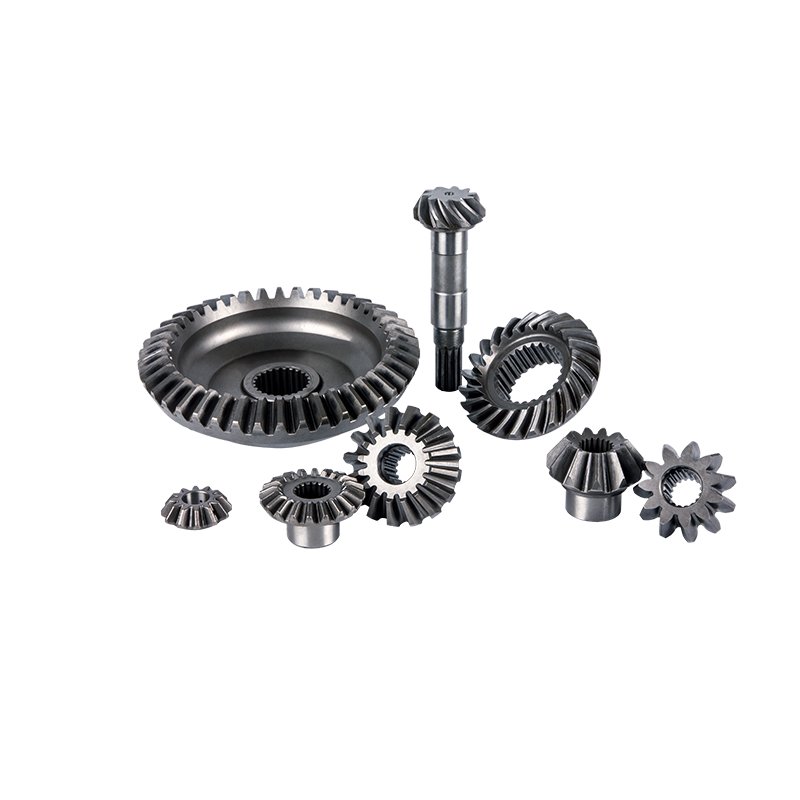
Bevel Gear Shaft
The gear section is conical, with teeth distributed along the cone's generatrix. This design enables power transmission between intersecting shafts (typically at 90°). It offers high load capacity but demands stringent machining precision. Commonly used in automotive differentials and right-angle reducers.
Worm Gear Shaft
One end of the shaft is machined into a worm (helical teeth) that meshes with a worm wheel to achieve high gear ratios and low-speed power output, featuring self-locking capability. Suitable for transmitting power between spatially perpendicular intersecting shafts, commonly found in small lifting equipment and precision machine tool feed systems.
2. Classification by Load-Bearing Configuration
Spindle Gear Shaft
Supports bending moments only, not torsional forces. The shaft is supported by bearings, with power input from other transmission components. Suitable for light-load, low-speed applications, such as driven shafts in small conveying equipment.
Rotating Shaft Gear Shaft
Supports both bending moments and torsional forces, making it the most common type in industrial applications. The shaft transmits power while supporting its own weight. Suitable for heavy-load, high-speed core transmission components, such as automotive transmission main shafts and machine tool spindles.
Drive Shaft Gear Shaft
Primarilys torque with little or no bending moment. The gear shaft connects to other shafts via couplings, ensuring high power transmission efficiency. Suitable for long-distance power transmission, such as intermediate drive shafts in large machinery.
3. By Manufacturing Process
Forged Gear Shafts
Formed through forging, these shafts feature intact metal grain flow lines, delivering superior strength, toughness, and wear resistance. They withstand heavy loads and impact forces, making them suitable for high-load applications like mining machinery and heavy-duty reducers.
Rolled Gear Shafts
The gear teeth are formed through rolling processes, offering high production efficiency and low cost with moderate tooth surface precision. Suitable for mass-produced, light-load, general-purpose equipment, such as small motor drive shafts.
Welded Gear Shafts
Composed of a shaft body and gear section welded together, they are suitable for large-size, non-standard custom scenarios. While offering flexible manufacturing, their overall strength is lower than forged shafts. Suitable for non-standard transmission systems in specialized equipment.