
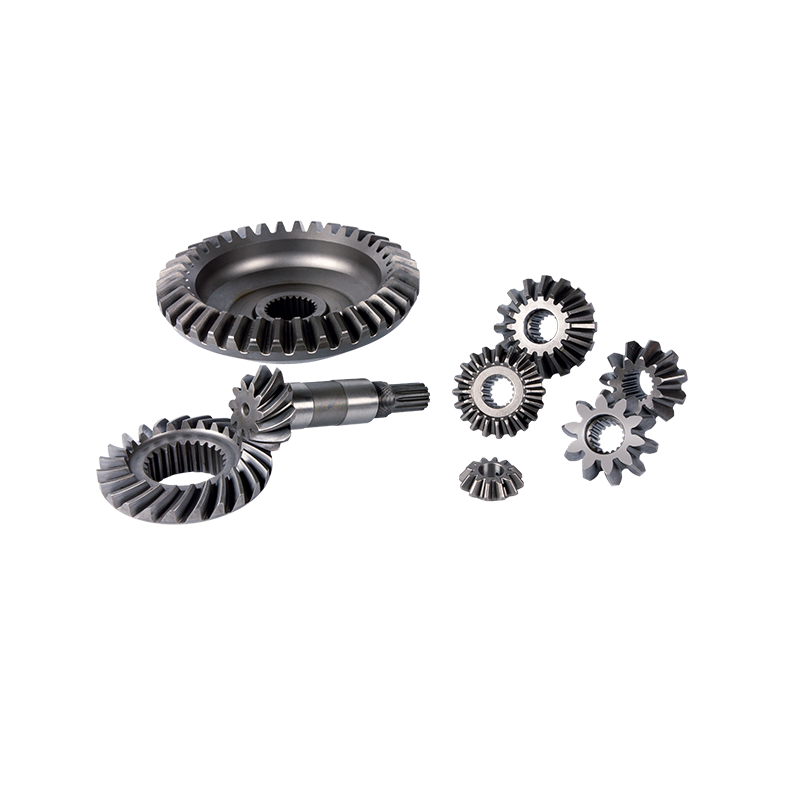
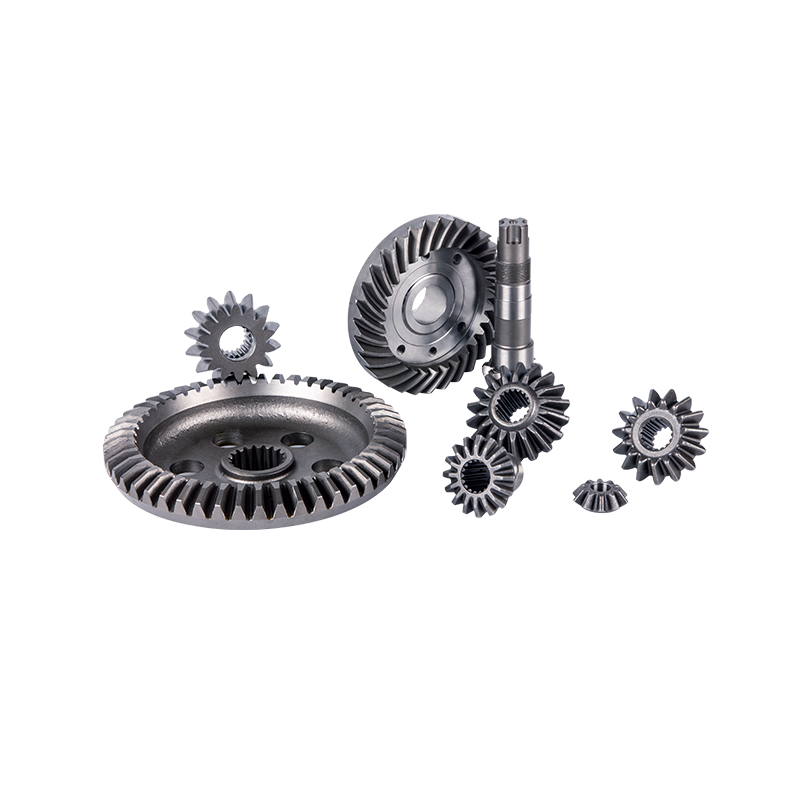
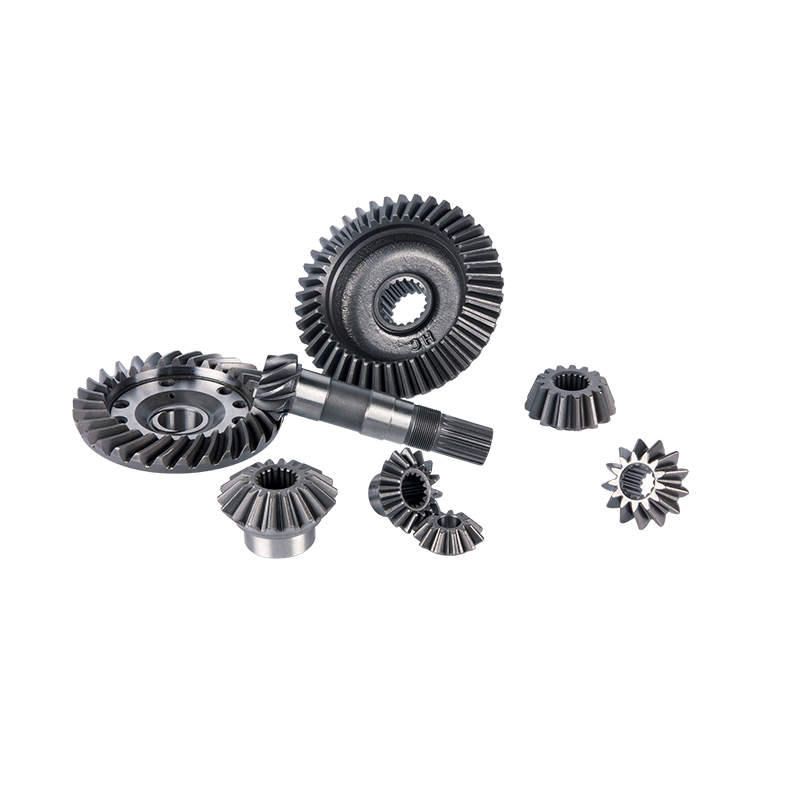
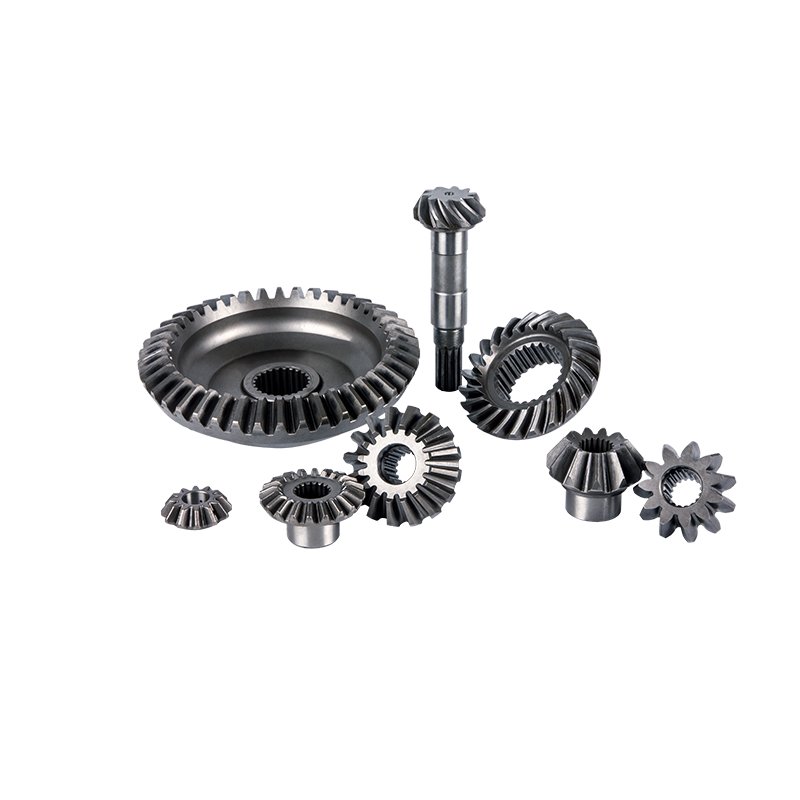
Gear machining machines are specialized equipment designed for processing gear tooth profiles, with their types corresponding one-to-one with gear machining processes. The application scenarios of different machines are determined by the accuracy requirements, structural types, production batches, and material properties of gears. Below are the classifications, technical characteristics, and specific applications of mainstream gear machining machines:
I. Forming Method Gear Machining Machines
These machines are based on the principle of "replicating tooth slots with tool shapes" and are suitable for low-precision, small-batch gear machining.
1. Gear Milling Machine
Technical Characteristics: Simple structure, can be retrofitted from ordinary milling machines, equipped with disc-shaped or finger-shaped forming milling cutters, requires manual or automatic indexing, and has low machining efficiency.
Application Scenarios: Single-piece or small-batch production of low-speed, low-precision gears, such as manual winch gears, simple transmission gears for agricultural machinery, and gear models for teaching experiments.
Suitable Materials: Easily machinable materials such as cast iron and medium-carbon steel.
2. Gear Broaching Machine
Technical Characteristics: Uses a specially made gear broach to broach all tooth slots in one pass without indexing, resulting in extremely high machining efficiency and small tooth surface roughness. However, the cost of broaches is high, and the machining specifications are fixed.
Application Scenarios: Mass production of internal gears and spline shaft gears, such as internal gear rings for automotive transmissions, internal gears for hydraulic pumps in construction machinery, and standardized spline connection components.
Suitable Materials: Plastic materials such as low-carbon steel and medium-carbon steel.
II. Generating Method Gear Machining Machines
These machines are based on the principle of gear meshing and are currently the main equipment for gear machining, covering the batch production of medium- to high-precision gears.
1. Gear Hobbing Machine
Technical Characteristics: Equipped with a worm-shaped hob, it continuously cuts through generating motion (simultaneous rotation of the hob and workpiece) and feeding motion (movement of the hob along the axis of the workpiece). It can machine straight and helical cylindrical gears with accuracy up to IT8-IT6 and has high versatility.
Core Application Scenarios:
Automotive Industry: Mass production of engine crankshaft gears, transmission input/output gears, and differential gears.
General Machinery: Machining of reducer gears, machine tool spindle gears, and fan speed-increasing box gears.
Construction Machinery: Manufacturing of transmission gears for excavators and loaders.
Suitable Materials: Common gear materials such as medium-carbon steel, alloy steel, and quenched and tempered steel.
2. Gear Shaping Machine
Technical Characteristics: Equipped with a disc-shaped gear shaper cutter, it machines tooth profiles through the up-and-down reciprocating cutting motion and generating rotational motion of the gear shaper cutter. It can machine structures that are difficult for gear hobbing machines, such as internal gears, double-gears, and multi-gears, with accuracy comparable to that of gear hobbing machines (IT8-IT6).
Core Application Scenarios:
Special Structure Gears: Internal gears for automotive transmissions, double-gears in machine tool spindle boxes, and internal gear rings for planetary gears in electric tools.
Tooth End Machining: Chamfering and rounding of gear tooth ends to improve meshing smoothness after gear assembly.
Suitable Materials: Consistent with those of gear hobbing machines, capable of machining soft tooth surface gears before quenching.
3. Gear Grinding Machine
Technical Characteristics: Using a grinding wheel as the tool, it performs precision grinding of tooth surfaces through generating motion, achieving accuracy up to IT5-IT3 and tooth surface roughness as low as Ra0.2-Ra0.8. The machining process is free of cutting forces and can handle hard tooth surface gears after quenching.
Core Application Scenarios:
High-Precision, High-Speed, Heavy-Duty Gears: Gears for aero-engines, high-speed machine tool spindles, precision reducers, and wind turbine speed-increasing boxes.
High-Reliability Gears: Gears for high-speed train transmissions, marine power systems, and military equipment transmissions.
Suitable Materials: High-strength alloy steels after quenching (such as 20CrMnTi carburized and quenched steel).
4. Gear Honing Machine
Technical Characteristics: Equipped with an elastic honing wheel, it performs finishing of tooth surfaces through free meshing motion, correcting minor tooth profile errors and reducing tooth surface roughness. The machining temperature is low, no thermal deformation occurs, and the cost is lower than that of gear grinding machines.
Core Application Scenarios: An alternative to finishing quenched gears, such as batch finishing of rear axle gears for automobiles, transmission gears for motorcycles, and hard tooth surface gears for ordinary reducers.
Suitable Materials: Hard tooth surface gear materials such as carburized and quenched steel and nitrided steel.
III. Special Gear Machining Machines
These machines adopt non-traditional machining methods for gears made of difficult-to-machine materials or with special structures.
1. Electrical Discharge Machining (EDM) Gear Machine
Technical Characteristics: It machines tooth profiles by utilizing electrical discharge corrosion between the electrode and the workpiece,不受 (unrestricted by) material hardness, free of cutting forces, and capable of machining complex tooth profiles. However, the efficiency is low, and accuracy is affected by electrode wear.
Application Scenarios: Machining of gears made of difficult-to-machine materials (such as cemented carbide gears and ceramic gears), precision mold gears (such as tooth profiles of injection molds for plastic gears), and ultra-hard tooth surface gears.
2. Laser Gear Machining Machine
Technical Characteristics: It forms tooth profiles by melting or vaporizing material with a high-energy laser beam, featuring fast machining speed, non-contact and stress-free machining, and the ability to machine thin-walled and micro-gears. However, the equipment cost is high, and accuracy needs improvement.
Application Scenarios: Rapid prototyping of micro-gears (such as watch gears and micro-motor gears), machining of thin-walled gears (such as lightweight gears for aerospace applications), and surface strengthening treatment of gears (such as laser quenching of tooth surfaces).
IV. Selection Principles for Gear Machining Machines
Selection by Accuracy: Choose forming gear milling machines for low-precision gears; gear hobbing/shaping machines for medium-precision gears; gear grinding machines for high-precision gears; and gear honing machines for finishing hard tooth surfaces.
Selection by Structure: Choose gear hobbing machines for external straight/helical gears; gear shaping machines for internal gears/double-gears; and special machining machines for micro-gears/gears made of difficult-to-machine materials.
Selection by Batch Size: Choose forming gear milling machines for single-piece or small-batch production; gear hobbing/shaping machines for medium- to large-batch production; and gear broaching machines for large-batch standardized gears.