
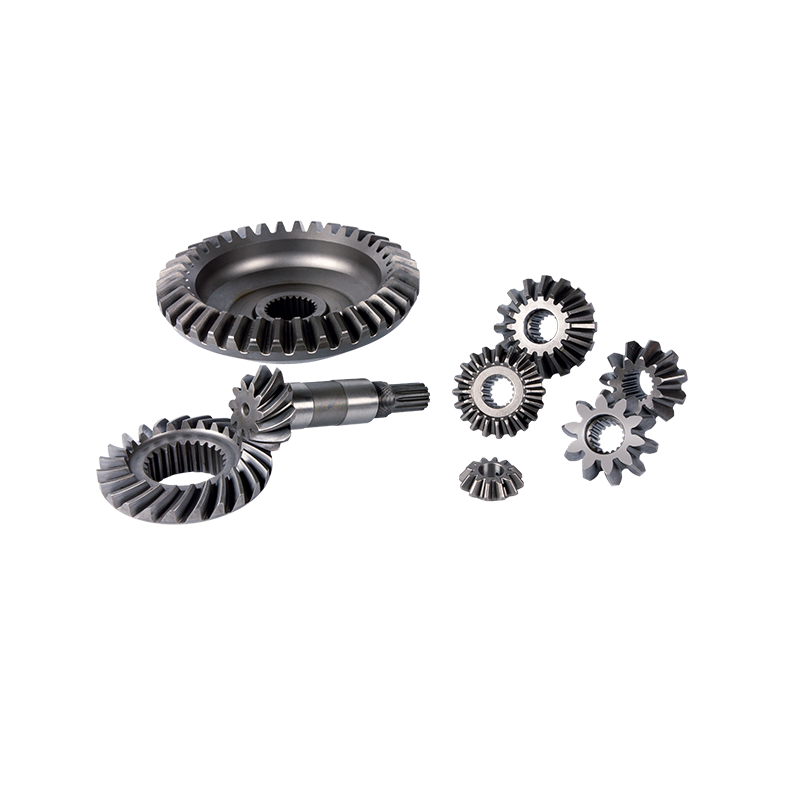
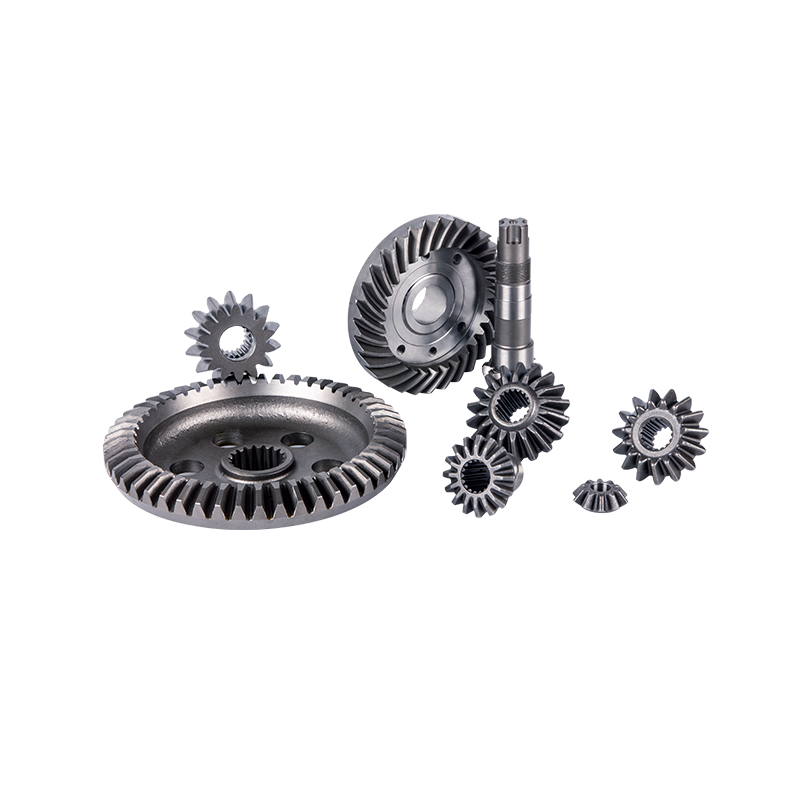
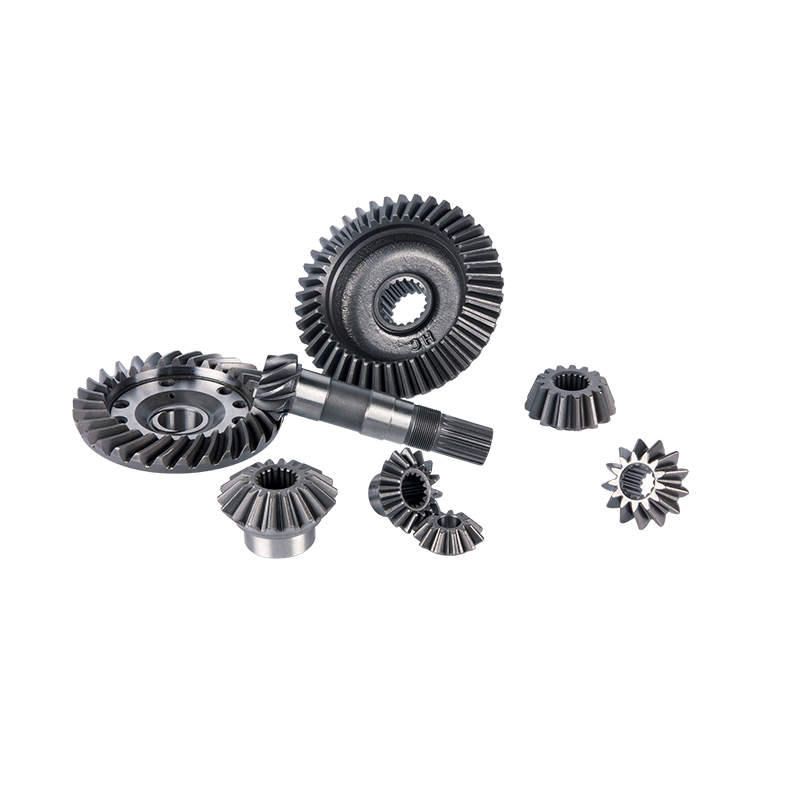
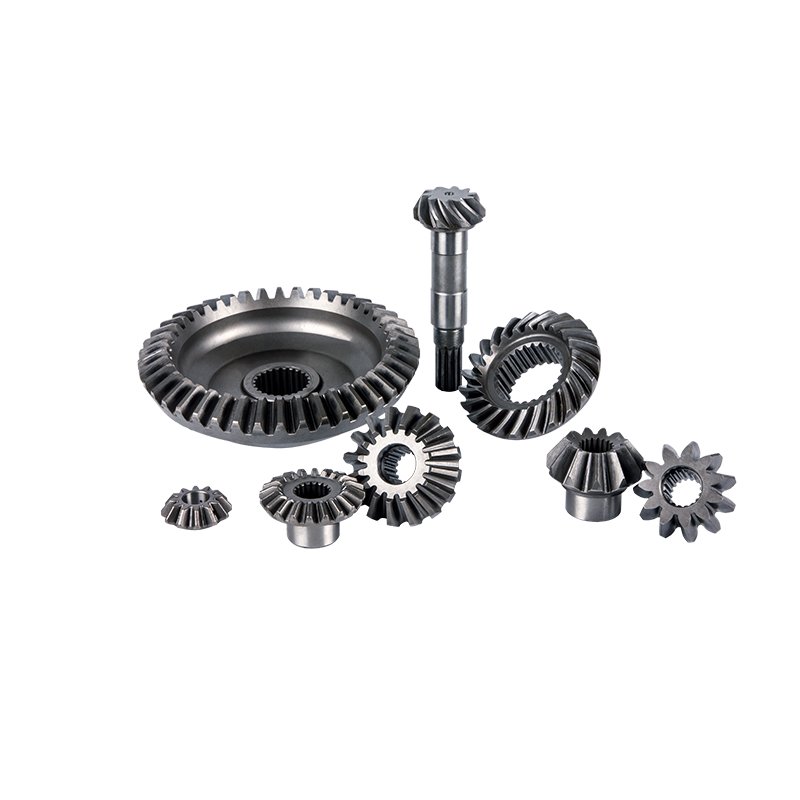
Factors Contributing to Gear Noise
Gear noise is a common phenomenon in mechanical transmission systems, resulting from the combined effects of multiple factors. These can be broadly categorized into five areas: design, manufacturing, installation, operation, and maintenance. Below is a detailed analysis:
I. Design Factors
Improper Gear Parameter Design
Module and Tooth Count: A module that is too small or an excessive number of teeth can concentrate contact stress on the tooth surface, increasing noise. Conversely, an overly large module may amplify noise due to tooth profile errors.
Pressure Angle: A small pressure angle reduces tooth surface contact strength, while an excessively large angle may cause tooth tip interference, leading to impact noise.
Addendum Modification Coefficient: Improper selection of the addendum modification coefficient can alter the tooth profile shape, affecting meshing smoothness and generating vibration and noise.
Contact Ratio: Insufficient contact ratio (e.g., less than 1.2) results in prolonged single-tooth meshing, increasing impact forces and noise.
Gearbox Structure
Housing Rigidity: Inadequate housing rigidity can deform under gear meshing forces, causing misalignment of the meshing line and inducing vibration and noise.
Bearing Layout: Excessive bearing spacing or uneven support rigidity may bend or tilt the gear shaft, exacerbating meshing errors.
Lubrication Design
Improper lubrication methods (e.g., oil spray, drip, or bath) or incorrect oil viscosity selection can lead to poor tooth surface lubrication, resulting in dry friction or boundary lubrication and increasing frictional noise.
II. Manufacturing Factors
Machining Errors
Tooth Profile Errors: Wear or misalignment of cutting tools (e.g., hobs, shaper cutters) can cause tooth profile deviations, leading to meshing impacts.
Tooth Alignment Errors: Helix deviations can result in uneven axial meshing, causing periodic vibration.
Base Pitch Errors: Base pitch deviations disrupt meshing rhythm, producing a "clapping" phenomenon and significant noise.
Surface Quality
Surface Roughness: High surface roughness increases the friction coefficient, leading to frictional noise and potentially initiating pitting or scuffing, which further worsens noise.
Heat Treatment Distortion: Quenching, carburizing, or other heat treatment processes may deform gears, affecting meshing accuracy.
Material and Hardness
Improper material selection (e.g., uneven hardness) or insufficient hardness can accelerate tooth surface wear, generating abrasive noise. Excessive hardness may cause tooth surface brittleness and impact noise due to cracking.
III. Installation Factors
Center Distance Deviation
An excessively large or small center distance during installation alters the gear meshing angle, causing excessive or insufficient backlash and inducing impact or jamming noise.
Shaft Misalignment
Poor alignment of input/output shafts subjects gear shafts to additional bending moments, generating bending vibrations that intensify with increasing rotational speed.
Bearing Preload
Insufficient or excessive bearing preload can cause axial play or radial clearance, destabilizing gear meshing.
IV. Operational Factors
Load and Rotational Speed
Load Fluctuations: Shock loads or overloading can cause sudden increases in tooth surface contact stress, leading to plastic deformation or fracture and generating impact noise.
High Rotational Speed: Elevated speeds amplify the dynamic response of the gear system, raising vibration and noise frequencies and potentially triggering resonance.
Lubrication Condition
Contaminated lubricant (e.g., metal particles, moisture) accelerates tooth surface wear, producing abrasive noise. Abnormal oil temperatures (too high or low) affect oil film thickness, leading to lubrication failure.
Environmental Conditions
Temperature, humidity, or corrosive media can influence gear material properties or lubrication effectiveness, indirectly contributing to noise.
V. Maintenance Factors
Wear and Fatigue
Long-term operation can cause tooth surface pitting, spalling, or scuffing, disrupting meshing smoothness and generating periodic noise.
Lubricant Replacement
Failure to replace lubricant regularly degrades oil performance, reducing its ability to dampen vibrations and noise.
Loose Fasteners
Loose housing bolts, bearing end caps, or other fasteners can induce local vibrations, with noise varying with vibration frequency.
Recommendations for Noise Reduction
Optimize Design: Increase contact ratio (≥1.4), adopt profile-modified gears (e.g., tip relief), and select appropriate lubrication methods.
Control Manufacturing Precision: Ensure tooth profile and alignment errors meet ISO 1328-1 standards, with surface roughness Ra ≤ 0.8 μm.
Strict Installation and Commissioning: Use laser alignment tools to ensure shaft alignment, with center distance deviations controlled within ±0.05 mm.
Enhance Maintenance: Regularly inspect tooth surface wear, replace lubricant promptly, and tighten loose components.
Adopt Noise-Reducing Structures: Incorporate elastic supports, wrap housing with damping materials, or install mufflers.