
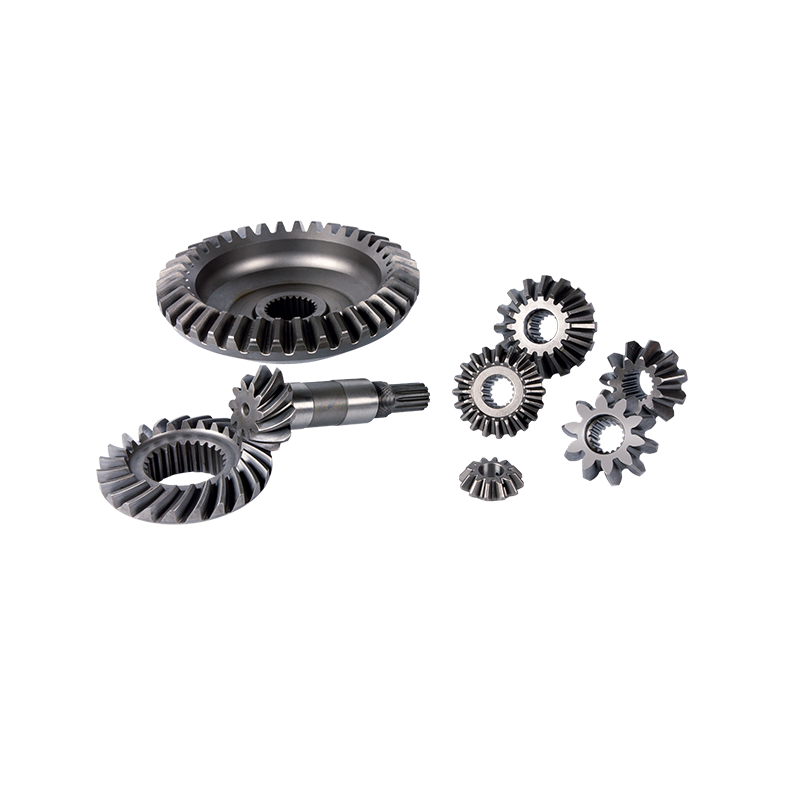
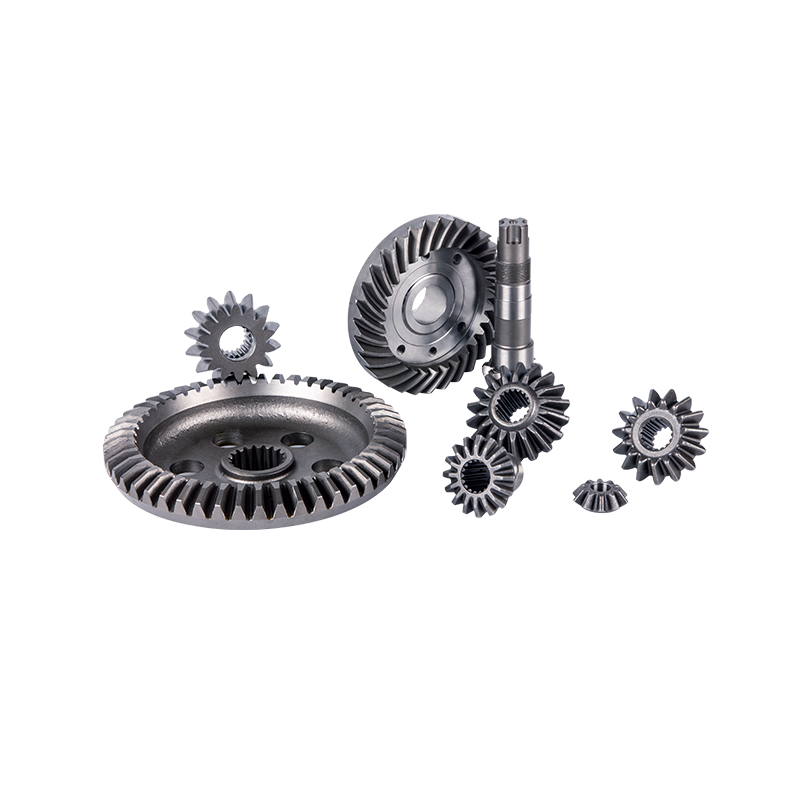
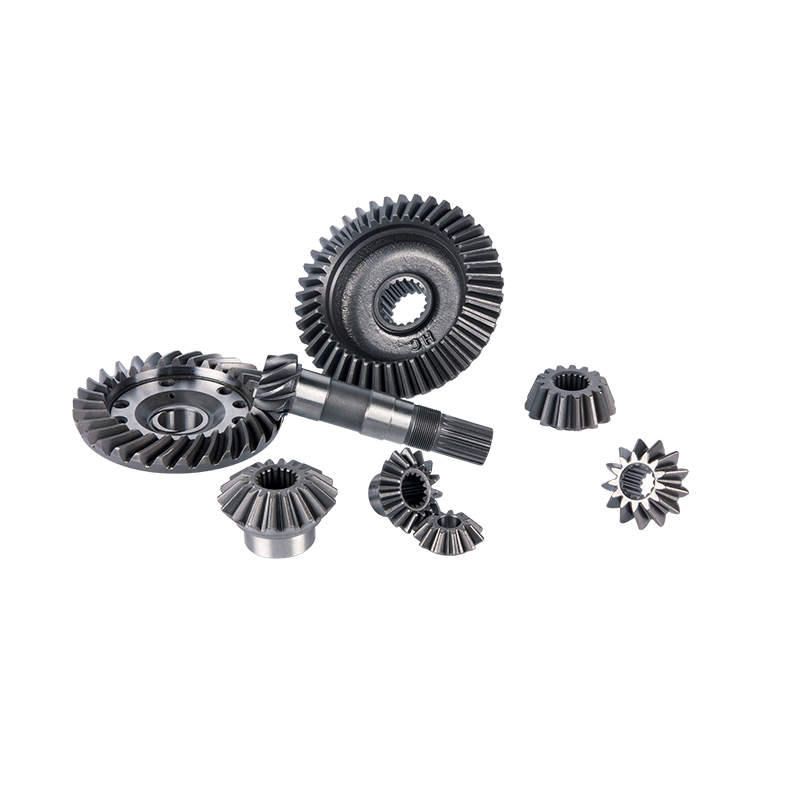
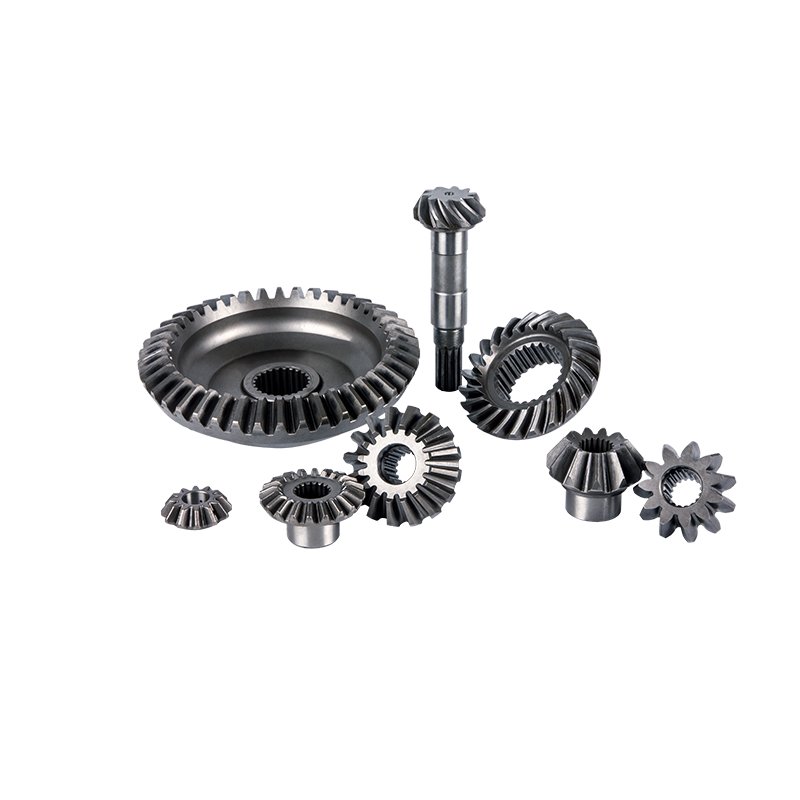
Gear transmission, as the core form of mechanical transmission, is widely used in various machinery due to its high transmission accuracy, stable efficiency, and strong load-bearing capacity. However, during operation, it is prone to meshing impacts, vibrations, and abnormal noises. These issues not only affect equipment stability but also cause operational contamination and accelerate component wear. Gear transmission noise primarily stems from multiple factors including meshing impact, tooth surface friction, assembly deviations, and structural resonance. To reduce noise at its source, systematic control is required across design optimization, machining and assembly, material selection, and lubrication/vibration damping—achieving dual improvements in noise reduction and equipment durability.
Design optimization is the core prerequisite for reducing gear transmission noise, as eliminating noise triggers at the source is the most direct and effective approach. Compared to spur gears, helical gears offer higher overlap during meshing and progressive tooth surface contact, significantly reducing meshing impacts and transient vibrations. Their noise reduction effect is pronounced, making helical or herringbone gears the preferred choice for mitigating transmission noise. Simultaneously, rational control of gear design parameters—including appropriately raising gear precision grades and strictly managing tooth profile, pitch, and tooth direction tolerances—combined with tooth profile and tooth direction modification processes, corrects interference and impact during gear meshing. This prevents rigid collisions at the tooth crest and root areas. Furthermore, precise control of gear backlash is essential. Excessive backlash causes meshing impacts and generates impact noise, while insufficient backlash leads to binding, heat generation, and increased vibration. A reasonable backlash must be reserved based on equipment operating conditions to balance transmission smoothness and noise reduction requirements.
Machining and assembly precision directly determine gear transmission noise levels. Precision machining and standardized assembly effectively reduce vibration and abnormal noise. During machining, prioritize ensuring tooth surface finish. Employ finishing processes like shaving and grinding to minimize friction noise caused by excessive surface roughness and prevent scratches or impact defects on tooth surfaces. During assembly, ensure coaxiality and parallelism of the gear shaft system, strictly control shaft misalignment to prevent uneven loading during meshing. This guarantees uniform and centered contact patterns with adequate contact area, eliminating high-frequency noise caused by localized stress or point contact. Simultaneously, standardize bearing assembly procedures by selecting high-precision, low-clearance bearings and performing proper preloading to minimize shaft play and vibration. This reduces noise transmission through the mating components of the transmission pair.
Material selection, lubrication protection, and structural vibration damping serve as key auxiliary noise reduction measures, further mitigating vibration and blocking noise propagation. For materials, alloy steels with both strength and toughness are selected. Combined with composite heat treatment processes like quenching and tempering or surface hardening, this ensures gear tooth surfaces achieve high hardness while maintaining core toughness. This enhances wear resistance and vibration damping, preventing the severe vibrations caused by brittle materials during meshing. Lubrication requires specialized gear oil with appropriate viscosity to form a complete oil film on tooth surfaces. This film not only reduces direct friction but also cushions vibrations and dampens noise. Regular maintenance of the lubrication system is essential—promptly removing contaminants and ensuring adequate oil supply prevents impurities from scratching tooth surfaces and generating abnormal noise. For structural components like housings, enhance structural rigidity by thickening the housing or adding reinforcing ribs to prevent resonance between the housing and gear transmission, which amplifies noise. Alternatively, install damping materials or soundproof enclosures on the housing exterior to block noise propagation, achieving passive noise reduction.
In summary, reducing gear transmission noise requires a comprehensive approach encompassing design, manufacturing, assembly, and maintenance. By optimizing transmission structures, enhancing precision and quality, and strengthening lubrication and vibration damping, effectively controlling noise at its source, transmission, and propagation. This approach not only lowers transmission noise and optimizes equipment operation but also reduces gear wear, extends equipment lifespan, and enhances the stability and durability of mechanical transmission. It meets the operational demands of various high-precision, low-noise equipment.