
The technique for measuring overall gear errors is a measurement method that involves plotting a curve of the gear’s overall errors, analyzing individual and combined errors, and thereby evaluating gear accuracy and determining transmission quality. The following is a detailed introduction to this technique:
I. Technical Principles
Theory of Overall Errors: This approach treats the errors on all working tooth surfaces of a gear as a single entity, aligning the errors at each point on the tooth surface along the line of contact based on the meshing sequence. This theory provides an intuitive representation of overall errors and clarifies the patterns of change and interrelationships among various gear errors.
Kinematics Measurement Method: The gear under test is treated as a rigid functional or transmission element and engaged in meshing motion with another standard element (such as a standard gear, standard worm, or standard rack). By measuring the meshing motion error to determine the error of the gear under test, this method vividly reflects the gear meshing transmission process and precisely reveals the variation patterns of individual gear errors as well as the relationships between them.
II. Measurement Methods
Single-Side Meshing Inter-Tooth Measurement Method: This method utilizes a special inter-tooth measuring element (such as a measuring worm) to engage in single-side meshing with the gear under test, obtaining overall error information by measuring the meshing motion errors. This method efficiently generates an overall error map and is suitable for part inspection in mass production.
Probe Method: Based on an involute measuring instrument using the normal-unfolded angular coordinate method, this method incorporates an angular indexing system, precision linear guides, and a continuous measuring mechanism. It plots the measured involute errors and pitch deviations tooth by tooth using a common coordinate origin to generate an overall error diagram. This method is suitable for applications requiring high measurement accuracy.
III. Types of Error Curve Diagrams
Unidirectional Cross-Section Overall Error Diagram: Displays the shape and position errors of the tooth surfaces on the same side of a specific cross-section of the gear. It can provide parameters such as tangential total error, tangential single-tooth total error, and pitch cumulative error.
Bidirectional Cross-Section Overall Error Diagram: Displays the shape and position errors of the tooth surfaces on both the left and right sides of a given cross-section of the gear. In addition to the functions of the unidirectional cross-section overall error diagram, it can also provide parameters such as the radial runout of the gear ring, variations in the length of the common normal line, and tooth thickness deviation.
Unidirectional Full-Tooth-Width Overall Error Diagram: Displays the shape and position errors of the working tooth surfaces on the same side of the gear’s tooth width, enabling the derivation of parameters such as tooth-direction error, contact line error, and axial pitch deviation.
Bidirectional Full-Tooth-Width Overall Error Diagram: Displays the position and shape errors of the working tooth surfaces on the left and right sides of the tooth width, allowing for the analysis of backlash changes during gear transmission.
IV. Technical Advantages
Comprehensiveness: Capable of measuring all error items specified in gear precision standards, providing comprehensive gear information.
Efficiency: Suitable for part inspection in mass production, improving inspection efficiency.
Intuitiveness: By plotting overall error curves, it visually reflects the location and causes of gear errors, facilitating gear process analysis.
Accuracy: Utilizing kinematic measurement methods, it precisely reveals the variation patterns of individual gear errors and the relationships between them.
V. Application Examples
CZ450 Gear Overall Error Measuring Instrument: Manufactured by the Chengdu Tool Research Institute, this instrument employs single-side meshing overall error measurement technology to measure parameters such as pitch accumulation error, tangential combined error, and tangential combined error per tooth in cylindrical gears.
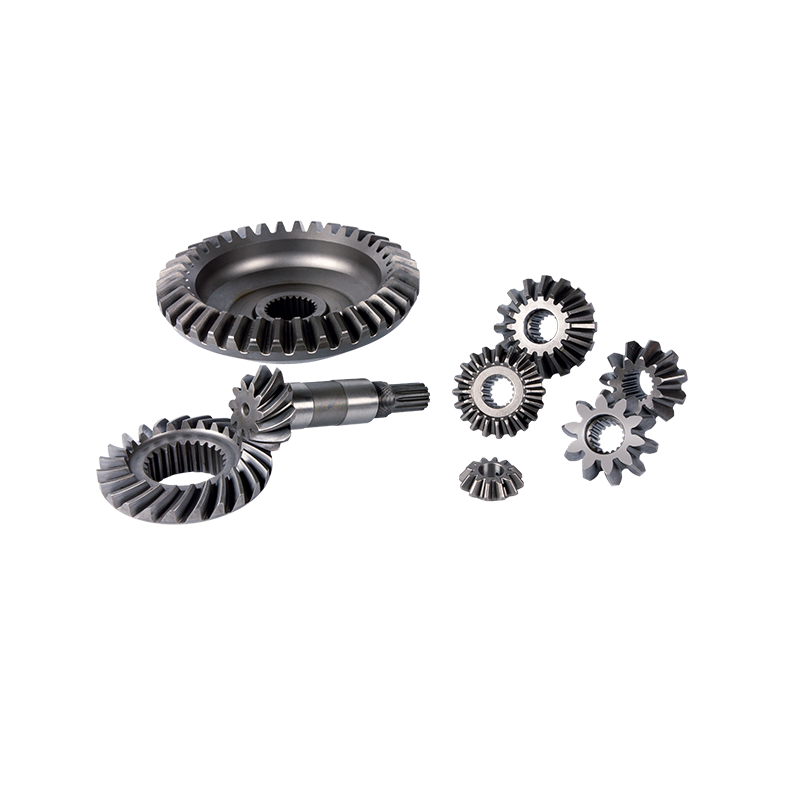
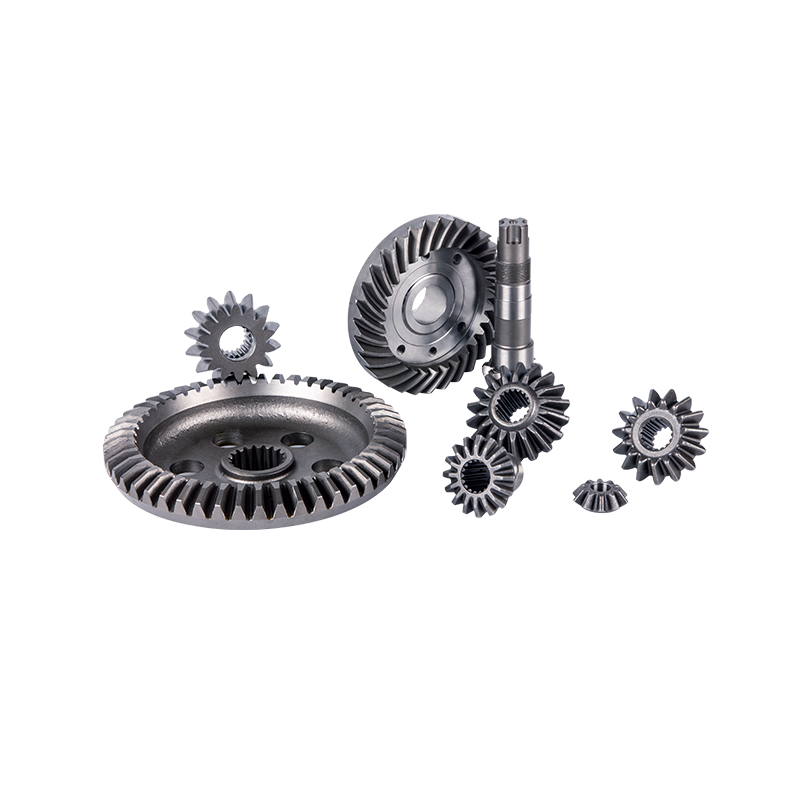
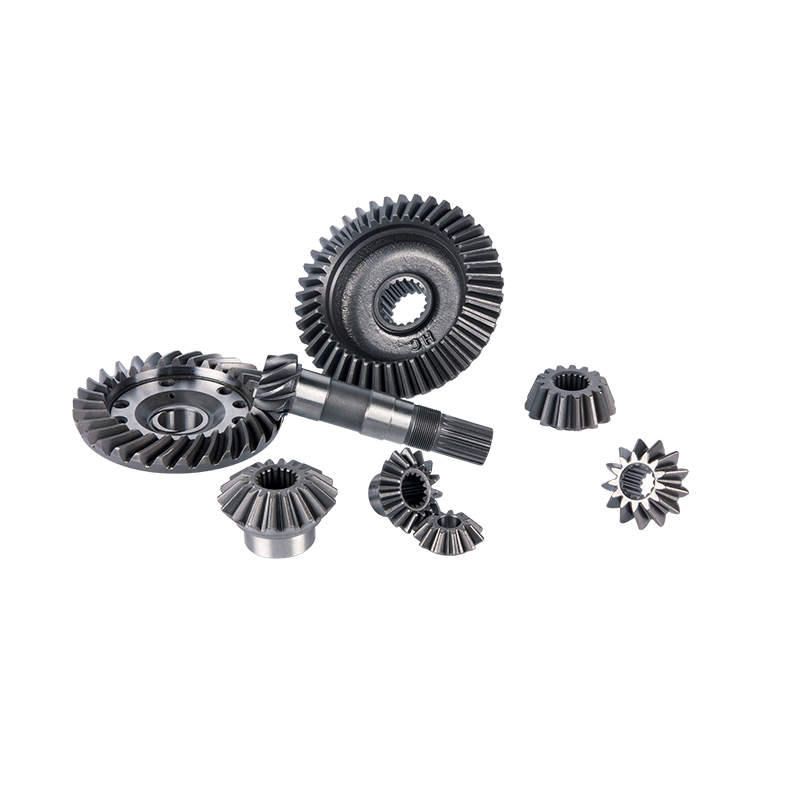
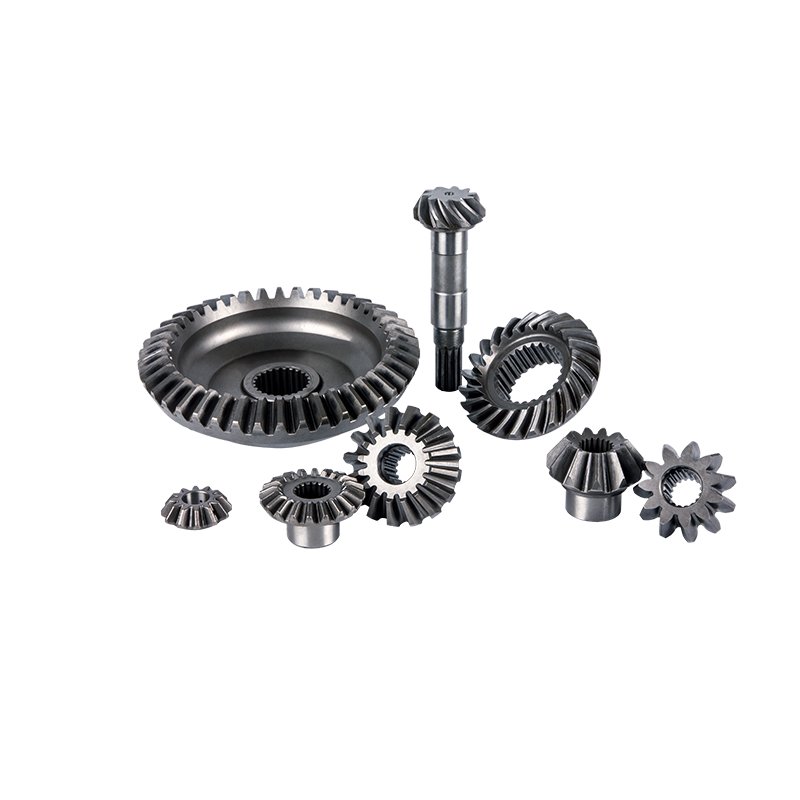
CSZ500 Bevel Gear Measuring Machine: Also manufactured by the Chengdu Tool Research Institute, this machine is suitable for measuring the overall errors of bevel gears.
VI. Technological Development
Automation and Intelligence: With the advancement of computer and electronic technologies, new-generation gear total error measuring instruments utilize computer technology to automatically decompose individual errors, print measurement values, and plot error curves.
Standardization and Regulation: China has established relevant national standards, such as the “Gear Single-Side Meshing Total Error Measuring Instrument,” providing strong support for the promotion and application of gear total error measurement technology.