
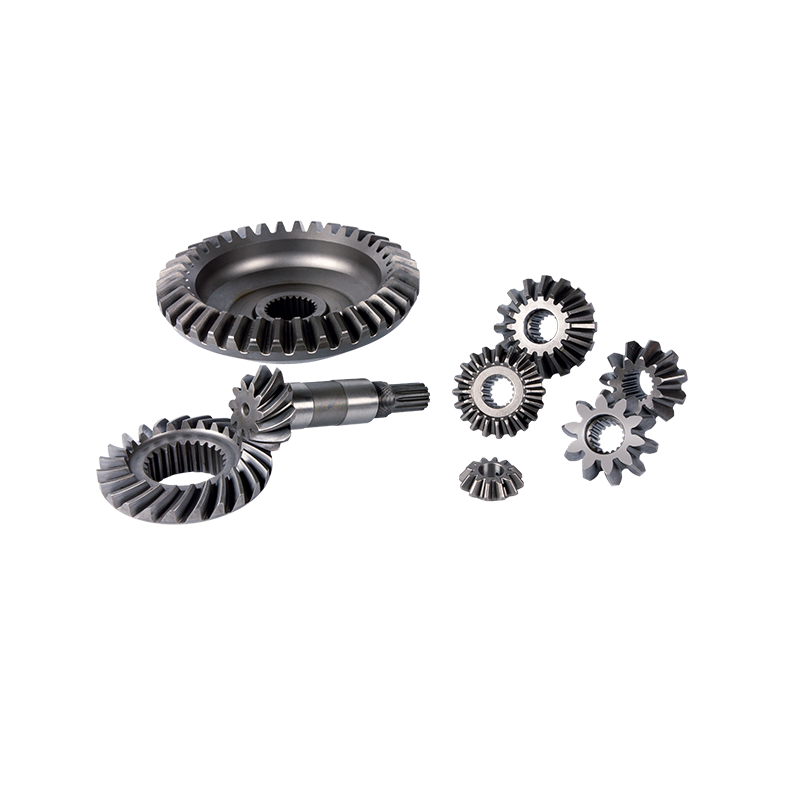
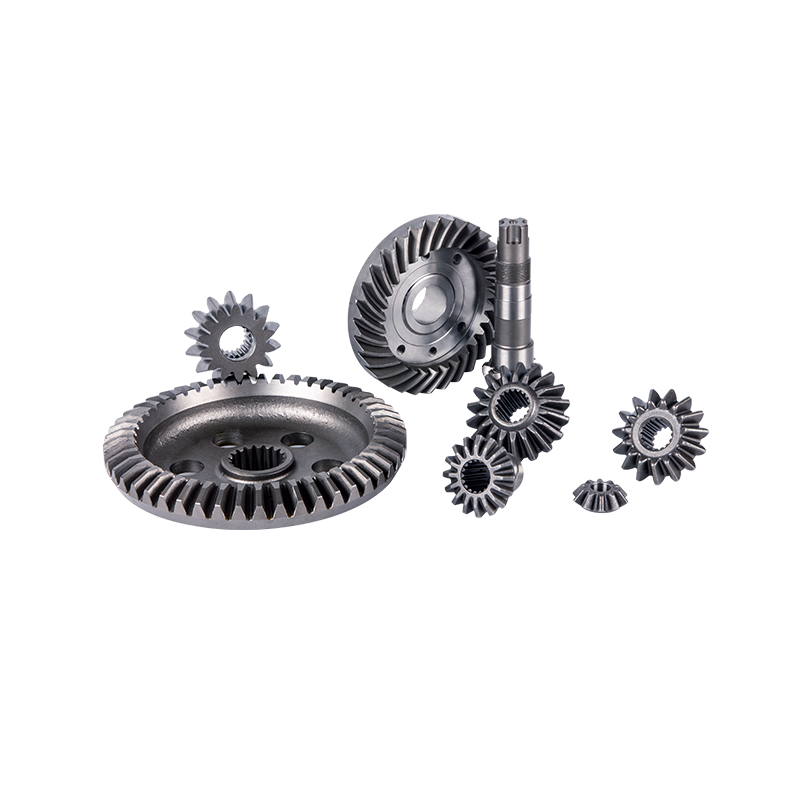
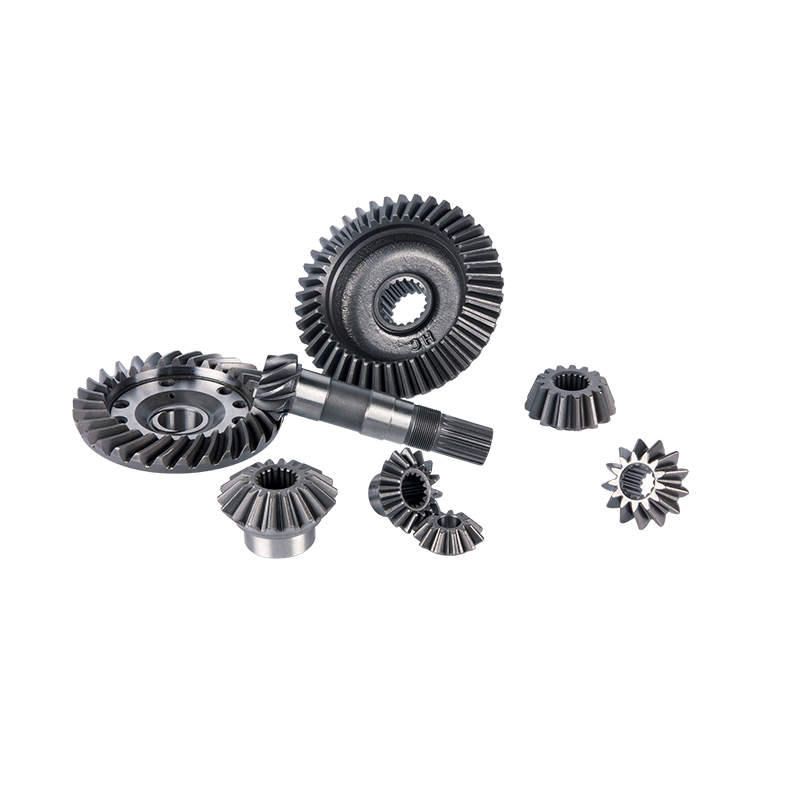
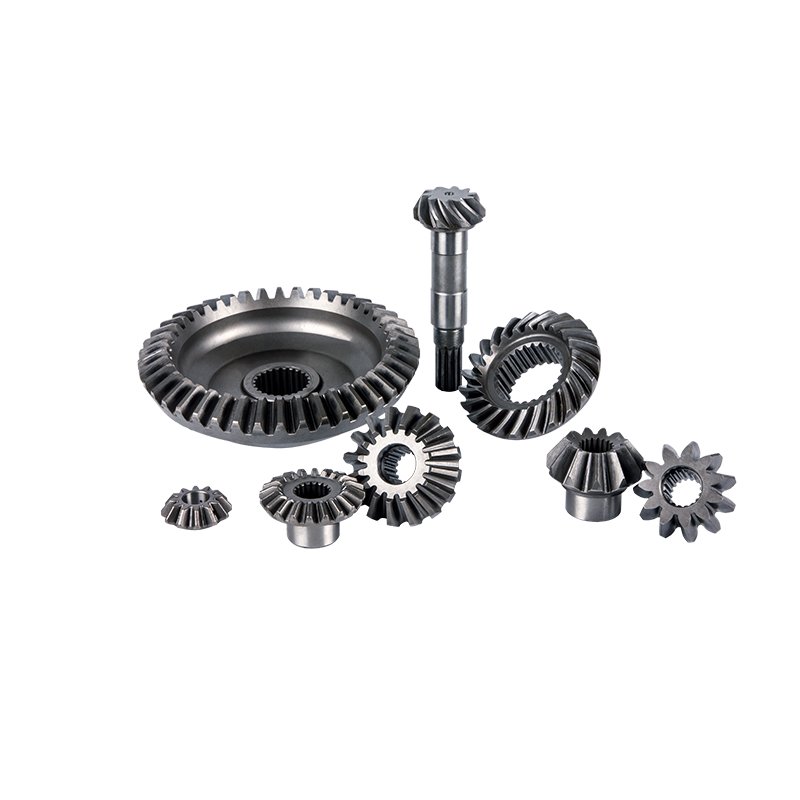
Gear machining is a critical process in mechanical manufacturing, and its precision directly affects the performance of transmission systems. The following is a brief overview of gear machining, covering the main processes and core methods:
I. Basic Gear Machining Process
Blank Preparation
Select the type of blank (forging, casting, or bar stock) based on the gear material (e.g., steel, cast iron, plastic).
Pre-treatment: Normalizing or tempering to relieve internal stresses and improve machinability.
Gear Blank Machining
Turning: Rough-turn the outer diameter, end faces, and internal bores to establish reference surfaces for subsequent operations.
Milling/Drilling: Machine auxiliary features such as keyways and threaded holes.
Tooth Profile Machining (Core Step)
Select the machining method based on the gear’s precision requirements. Common methods include:
Gear Hobbing: Cutting the tooth profile using a hob based on the generating method; highly efficient and suitable for mass production.
Gear Shaping: Cutting the tooth profile using a shaping cutter with up-and-down motion; offers higher precision and is suitable for internal gear machining.
Gear Shaving: Finishing the tooth surface with a shaving cutter to improve surface finish and precision.
Gear Grinding: Grinding the tooth surface with a grinding wheel to achieve high precision (e.g., Grade 6 or higher), but at a higher cost.
Gear milling: Directly milling the tooth profile using a disc or end mill; suitable for single-piece and small-batch production.
Gear broaching: Cutting the tooth profile using a broach; offers high precision but the broach is expensive, making it suitable for mass production.
Heat Treatment
Quenching: Increases tooth surface hardness (e.g., HRC 50–60) and enhances wear resistance.
Tempering: Eliminates quenching stresses, stabilizes dimensions, and prevents deformation and cracking.
Carburizing and quenching: Suitable for low-carbon steel gears, resulting in a hard surface and a tough core.
Finishing and Inspection
Honing: Further refines the tooth profile using a honing wheel to improve surface quality.
Lapping: Reduces noise and enhances transmission smoothness through lapping.
Inspection: Use a gear measuring machine to check parameters such as tooth profile, pitch, and helix angle to ensure compliance with standards (e.g., GB/T 10095).
II. Comparison of Core Machining Methods
Method Principle Applications Accuracy Grade Cost
Hobbing Generative cutting Mass production of external gears Grade 7–8 Low
Shaping Generative cutting Internal gears, multi-stage gears Grade 6–7Medium
Shaving Free-form finishing Finishing of gears with soft tooth surfaces Grade 5–6 Medium
Grinding Wheel grinding High-precision gears (e.g., aerospace, automotive) Grade 4 or higher High
Milling Form milling Single-piece, small-batch, and large gears Grade 8–9 Low
Broaching Broach cutting High-volume, high-precision internal gearsGrade 5–6 Extremely High
III. Control of Key Process Parameters
Cutting Parameters
Hobbing: Cutting speed, feed rate, and hob module must be matched to the material hardness.
Gear Grinding: Grinding wheel grit size and dressing frequency affect surface roughness (typically Ra ≤ 0.8 μm).
Control of Heat Treatment Distortion
Allow machining allowance before quenching; correct distortion after quenching via gear grinding.
Use graded quenching or isothermal quenching to minimize distortion.
Clamping and Alignment
Use high-precision fixtures (e.g., hydraulic expansion sleeves) to ensure coaxiality between the gear blank and the machine tool spindle.
Avoid positioning errors caused by repeated clamping.
IV. Typical Application Scenarios
Automotive Transmission Systems
Gears must withstand high torque; a carburizing and quenching + gear grinding process is used, achieving Grade 5 precision.
Industrial Gearboxes
For mass production, gear hobbing and shaving processes are used, offering low cost and high efficiency.
Aerospace
Lightweight, high-precision gears utilize titanium alloy materials combined with gear grinding, achieving a precision grade of 3.
Agricultural Machinery
Low-cost gears use cast iron blanks combined with gear milling to meet basic transmission requirements.
V. Development Trends
High-Speed Dry Cutting: Reduces coolant usage and lowers environmental costs.
CNC Automation: Five-axis machining centers enable the production of complex gears in a single operation.
Additive Manufacturing: 3D printing technology is used for rapid prototyping of customized gears.
Through the appropriate selection of machining methods and strict control of process parameters, efficient and high-precision gear manufacturing can be achieved to meet the needs of various industries.