
I. Appearance and Structural Inspection
Gear Condition
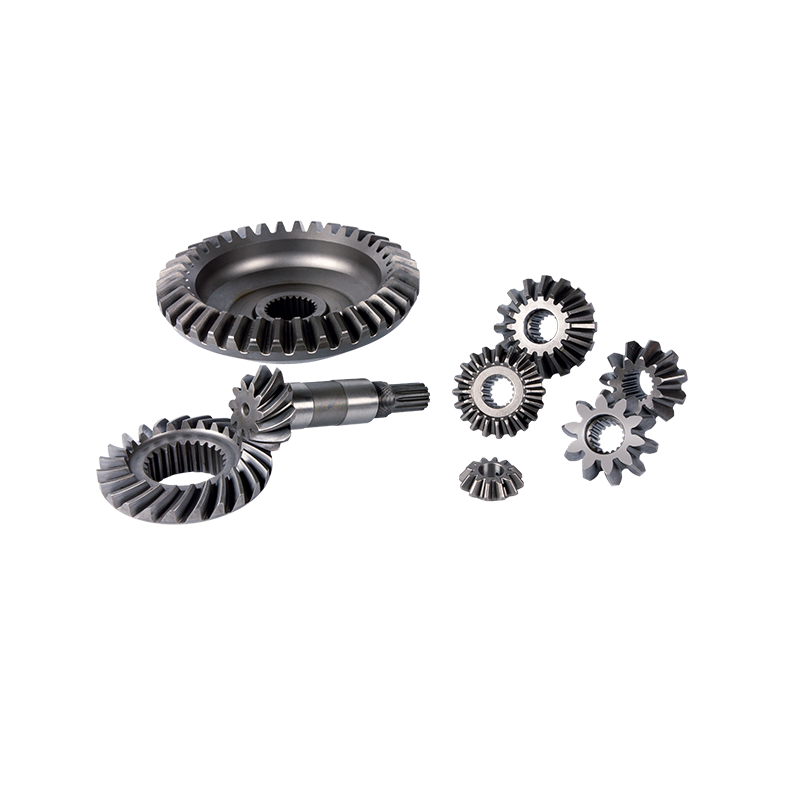
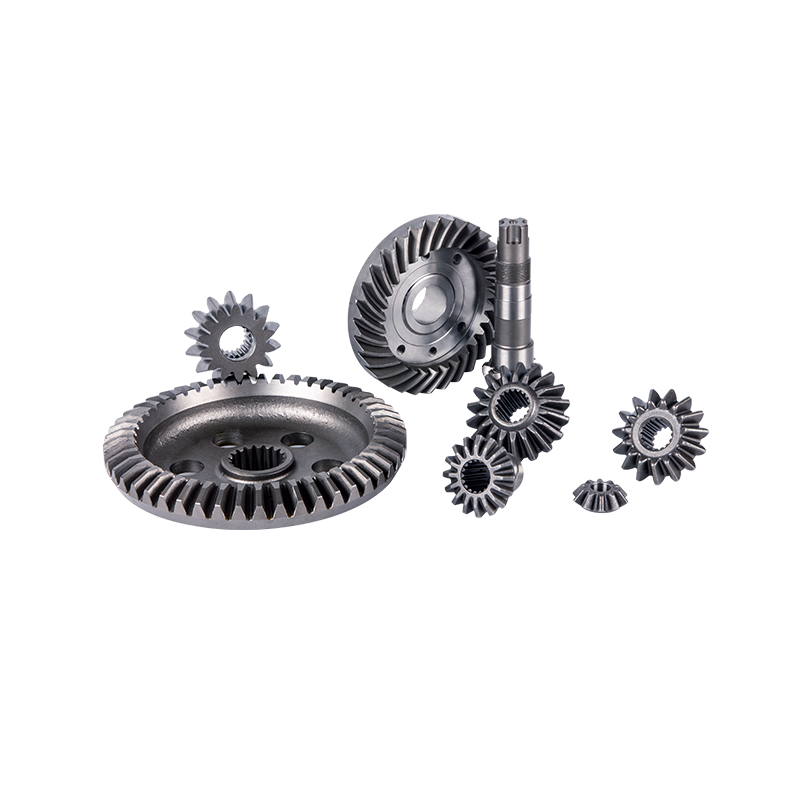
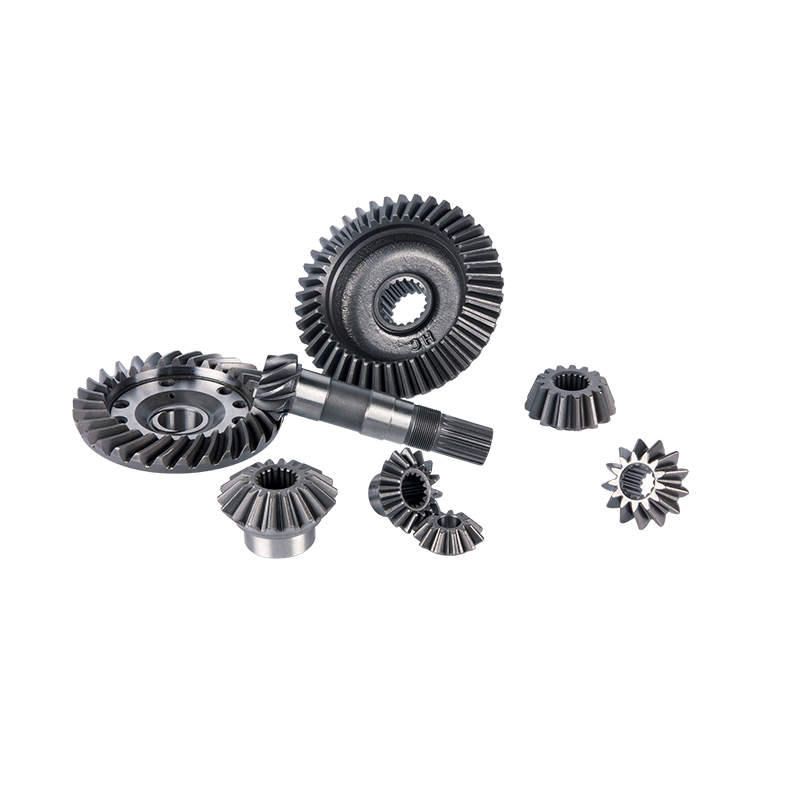
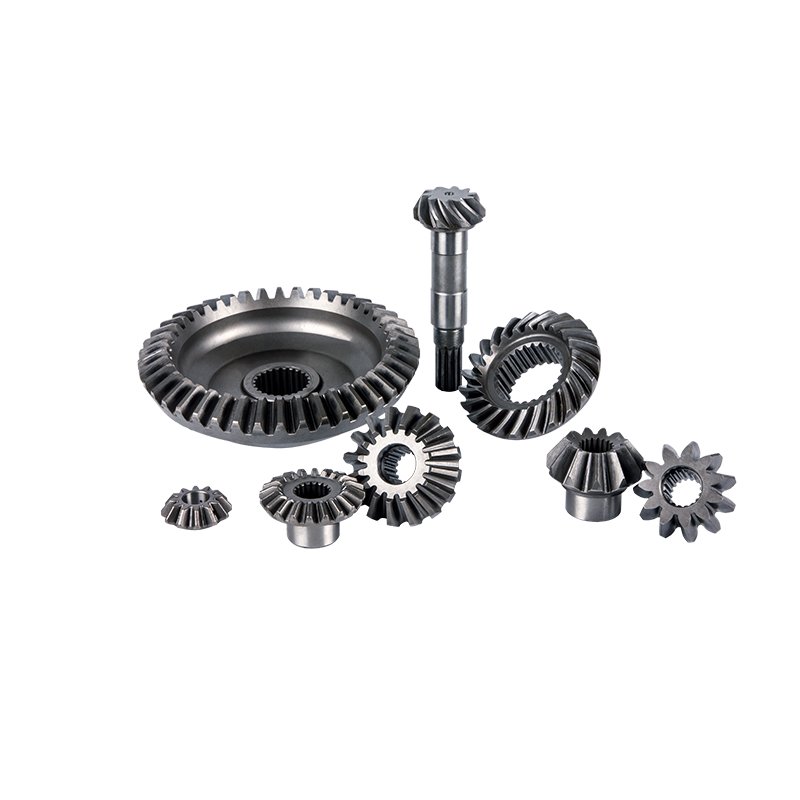
Tooth surface damage: Check for cracks, spalling, pitting, or adhesive wear (scoring) on the tooth surfaces. Minor pitting may allow continued use, but extensive spalling or deep cracks require immediate replacement.
Tooth profile deformation: Use a micrometer or gear measuring instrument to verify uniform tooth thickness and pitch, avoiding tooth profile distortion caused by manufacturing errors or prolonged use.
Tooth fracture: Visually inspect or use a flaw detector to detect potential tooth fractures, especially at the tooth roots of heavy-duty gears.
Gear Installation
Axial/radial clearance: Use feeler gauges or dial indicators to check the clearance between the gear and shaft, ensuring no looseness or binding. Excessive clearance can cause vibration, while insufficient clearance may lead to overheating.
Coaxiality: Verify the coaxiality between the gear and drive/driven shafts, with deviations exceeding 0.1 mm potentially causing uneven wear.
Parallelism: For parallel-axis gears, check the parallelism of the two shafts to prevent single-sided tooth wear due to misalignment.
Connecting Components
Bolt tightness: Ensure bolts connecting the gear to the shaft and the gearbox to the base are properly tightened to the specified torque (e.g., 80–100 N·m for M12 bolts).
Keyway fit: Check for a tight fit between the key and keyway, avoiding gaps or looseness that could cause transmission slippage.
II. Lubrication System Inspection
Lubricant Condition
Oil level: Verify that the oil level in the gearbox is within the upper and lower limits marked on the oil level gauge. Insufficient oil leads to poor lubrication, while excessive oil may cause leakage or elevated temperatures.
Oil quality: Observe the lubricant’s color and clarity. Replace it immediately if it appears cloudy, emulsified (contains water), or has an unusual odor.
Viscosity: Use a viscometer to check if the lubricant’s viscosity meets requirements (e.g., ISO VG 150–460 for industrial gear oils). Incorrect viscosity affects lubrication performance.
Lubrication Devices
Oil pump/nozzles: Ensure the oil pump operates correctly and that nozzles are unblocked, guaranteeing uniform lubricant coverage on tooth surfaces.
Oil passages: Check for clear and leak-free oil pipes and channels, especially in forced-lubrication systems for high-speed gears.
III. Operating Environment Inspection
Temperature and Humidity
Ambient temperature: Confirm that the temperature around the gearbox is between -20°C and 50°C to prevent lubricant degradation or gear material embrittlement under extreme conditions.
Humidity: Check for excessive humidity (e.g., >80%) and install dehumidifiers if necessary to prevent gear corrosion.
Cleanliness
Gearbox interior: Inspect for metal chips, debris, or foreign objects inside the gearbox. Thoroughly clean and replace the lubricant for newly installed gears.
Surrounding area: Remove dust and oil contamination around the gears to prevent contaminants from entering the gearbox.
Protective Devices
Guards: Verify that gear guards are intact and securely fastened to prevent personnel contact with rotating parts or foreign object ingress.
Seals: Check shaft seals and oil seals for damage to prevent lubricant leakage or external contaminant intrusion.
IV. Electrical and Control System Inspection (for Electric Gears)
Motor Condition
Insulation resistance: Use a megohmmeter to measure the motor’s insulation resistance, ensuring it is ≥0.5 MΩ (at 500 V) to prevent electrical leakage or short circuits.
Rotation direction: Briefly energize the motor to confirm its rotation direction matches the gear transmission direction, avoiding reverse rotation that could cause gear impact.
Couplings
Alignment: Check the alignment between the motor and gearbox couplings, with deviations ≤0.1 mm to prevent vibration and bearing damage.
Elastic elements: Inspect coupling elastic components (e.g., rubber blocks, diaphragms) for aging or damage and replace them promptly.
V. Final Confirmation Before Trial Run
Manual rotation
Manually rotate the gear shaft to check for binding, abnormal noise, or vibration, ensuring smooth gear meshing.
No-load trial run
Start the gear system and run it without load for 10–15 minutes. Monitor oil temperature (≤70°C), vibration (≤0.1 mm), and noise levels to ensure they are within design limits.
Verify stable lubricant pressure (e.g., 0.2–0.5 MPa) with no leaks or alarms.
Loaded trial run
Gradually increase the load to the rated value while monitoring changes in gearbox temperature, vibration, and noise to ensure all parameters remain within design specifications.